Used electric cars: what to know about battery, range and charging
Battery health matters more than the odometer. How to judge a used electric car.
Battery health (SoH)
Ask for a battery report (State of Health). Most garages, and some apps, can read it. 90% or more is fine for a car of three to five years. Below 80% should mean a serious reduction in price. Check too whether any factory warranty is left on the battery — typically 8 years or 160,000 km.
Realistic range
The WLTP figure is a laboratory figure. Expect 20–30% less in winter and on the motorway. Ask the seller about real range at 110 km/h — and test drive with a full charge if you can.
Charging at home and on the road
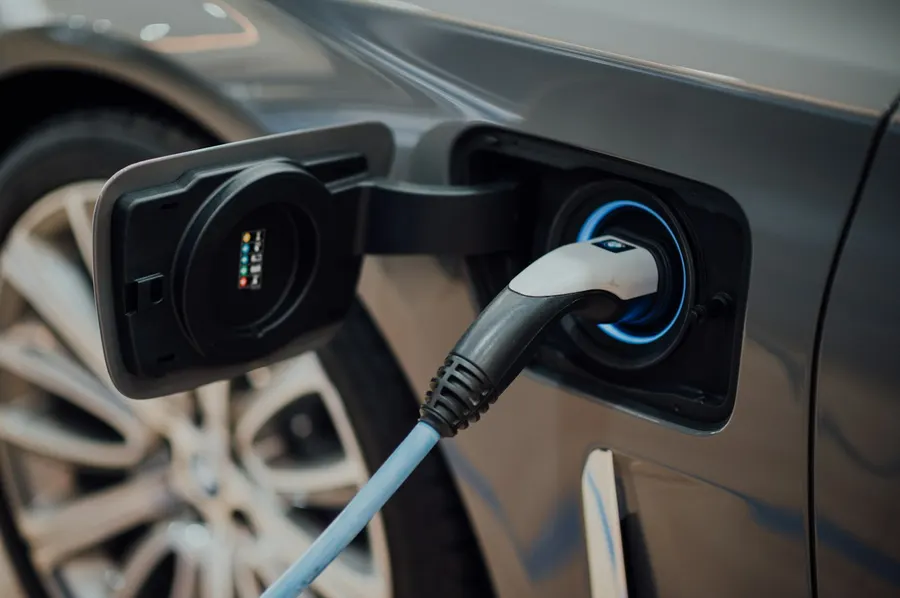
If you can charge at home (a wallbox or a socket), an electric car is almost always cheaper to run than petrol or diesel. Check which connectors the car has (Type 2 + CCS is the standard) and how fast it charges on DC (kW) — that decides how long a break you take on a long trip.
Equipment that matters on an electric car
A heat pump (better winter range), preconditioning from an app, and adaptive cruise control are the three things owners miss most when they are not there.
The running costs
Green ownership tax on electric cars is low, and servicing is cheaper (no oil changes, less brake wear). Tyres, on the other hand, can wear faster because of the weight and the torque. Check the tread and the size — EV tyres are often more expensive.